


Call us now
08071793640
Sodium (Liquid)
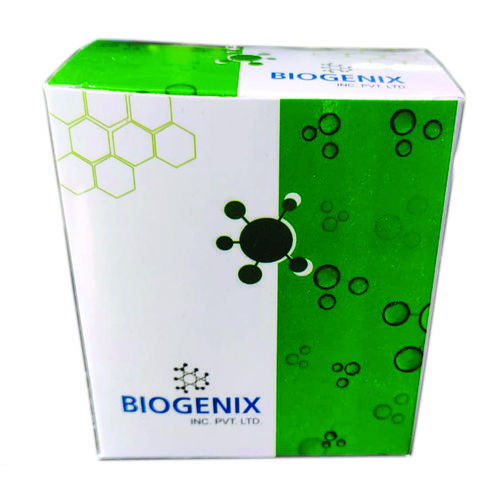

Sodium (Liquid) Trade Information
- Minimum Order Quantity
- 1000 Milliliters
- Payment Terms
- Cash Advance (CA), Cash in Advance (CID)
- Sample Available
- Yes
- Sample Policy
- If order is confirmed we will reimburse the sample cost
- Main Domestic Market
- All India
About Sodium (Liquid)
The method is based on reaction of sodium with a selective Chromogen producing a chromophore whose absorbance varies directly as the concentration of sodium in the test specimen.
Exceptional Reactivity for Industrial Applications
Liquid sodium stands out due to its aggressive reactivity, particularly with water, making it invaluable for specific chemical synthesis processes and metallurgical operations. This quality enhances reaction efficiency and is crucial in applications like heat transfer and purification steps. Proper care ensures safe, optimal performance during industrial use.
Safety and Storage Measures
Handling liquid sodium requires careful attentionalways use dry tools and store the substance under kerosene or mineral oil. Avoid any contact with moisture or air to prevent dangerous reactions, following all relevant hazard statements and industry safety protocols to ensure both operator and facility protection.
Trusted Exporters and Reliable Supply
As an industrial-grade product with 98% purity, sodium (liquid) is exported well-packaged in secure drums. Stringent manufacturer standards in India ensure a consistent, high-quality supply. With a shelf life of 24 months, it fits both immediate and long-term industrial requirements.
FAQs of Sodium (Liquid):
Q: How should liquid sodium be handled to ensure safety?
A: Liquid sodium must be handled using dry tools and kept away from any source of moisture or air, as it reacts violently with water. Always wear proper protective equipment and follow strict industrial safety protocols during usage and storage.Q: What are the primary uses of liquid sodium in industry?
A: Liquid sodium is primarily used in the chemical and metallurgical industries, including as a heat transfer medium, a reducing agent, and in metal purification processes due to its high reactivity and thermal properties.Q: When is liquid sodium most commonly utilized in manufacturing or processing?
A: Liquid sodium is most often required during complex chemical synthesis steps or metallurgical processes that benefit from its excellent heat conductivity and reducing capabilities. Its specific utility is dictated by industry needs and technical specifications.Q: Where should liquid sodium be stored to maintain its stability and shelf life?
A: For optimal stability and a 24-month shelf life, liquid sodium should be stored under kerosene or mineral oil in sealed industrial drums. This prevents exposure to air and moisture, minimizing the risk of reaction or oxidation.Q: What is the correct process for disposing of liquid sodium if it is no longer needed?
A: Disposal of liquid sodium must comply with local hazardous waste regulations. Typically, neutralization is performed by professionals using safe and controlled methods, ensuring no water or moisture contacts the sodium during the process.Q: What is the main benefit of using industrial-grade sodium in its liquid form?
A: The liquid form of industrial-grade sodium allows for precise, controlled application in high-temperature and high-reactivity environments, improving efficiency and outcomes in various chemical and metallurgical processes.Tell us about your requirement

Price:
Quantity
Select Unit
- 50
- 100
- 200
- 250
- 500
- 1000+
Additional detail
Mobile number
Email

More Products in Clinical Biochemistry Kit Category

GST : 09AAGCB6941G1ZJ

B19/A , S.I.L Ancillary Estate Amausi Industrial Area, Nadarganj,Lucknow - 226008, Uttar Pradesh, India
Phone :08071793640
 Send Inquiry
 Send Inquiry
 Send SMS
BIOGENIX INC. PVT. LTD.
All Rights Reserved.(Terms of Use)
Developed and Managed by Infocom Network Private Limited.
Developed and Managed by Infocom Network Private Limited.

